
What is differentiated instruction?
Differentiated instruction means keeping one learning goal for the whole class and changing the route to it. You adjust what students work on, how they work, what they produce, or the setting they work in, based on what they already know and need. The goal stays the same; the path changes.
It is not a separate lesson for every child, and it is not lowering expectations. A teacher who gives everyone the same reading passage but offers sentence starters to some and an extension question to others is differentiating. So is a teacher who lets students show the same understanding through a poster, a short talk or a written paragraph.
What can you change in a lesson? The four things
You do not need to change all four at once. Start with one, keep the learning goal fixed, and add another when the first feels routine.
- Content: what students work on. In a unit on the water cycle, students read the same article at two reading levels, and a third group starts from a labelled diagram.
- Process: how students work. In a fractions lesson, some pairs use counters, others follow the written method, and one group studies a worked example first.
- Product: how students show learning. After a history unit, students choose a timeline, a short essay or a recorded explanation, all marked against one rubric.
- Environment: where and with whom students work. Set up a quiet corner for focused solo work, a table for a teacher-led mini-lesson, and an open area for pair talk.
How much prep does it take? A 15, 30 and 45 minute routine
Time is the real barrier. Pick the routine that fits your evening and reuse the same structure each day, so you are adjusting a familiar format instead of designing from scratch.
| Time | What you do | Output |
|---|---|---|
| 15 min | Check yesterday's exit tickets. Sort students into three groups: not yet, nearly there, ready for more. Add one tier to tomorrow's main task. | Two versions of the main task |
| 30 min | Do the 15-minute steps, then add one choice (for example, two ways to show the answer) and one scaffold such as sentence starters or a worked example. | Three versions plus a choice |
| 45 min | Do the 30-minute steps, then plan flexible groups, a short mini-lesson for the group that needs it, and a stretch task for early finishers. | A full differentiated plan |
How can you make tiered worksheets and quizzes faster?
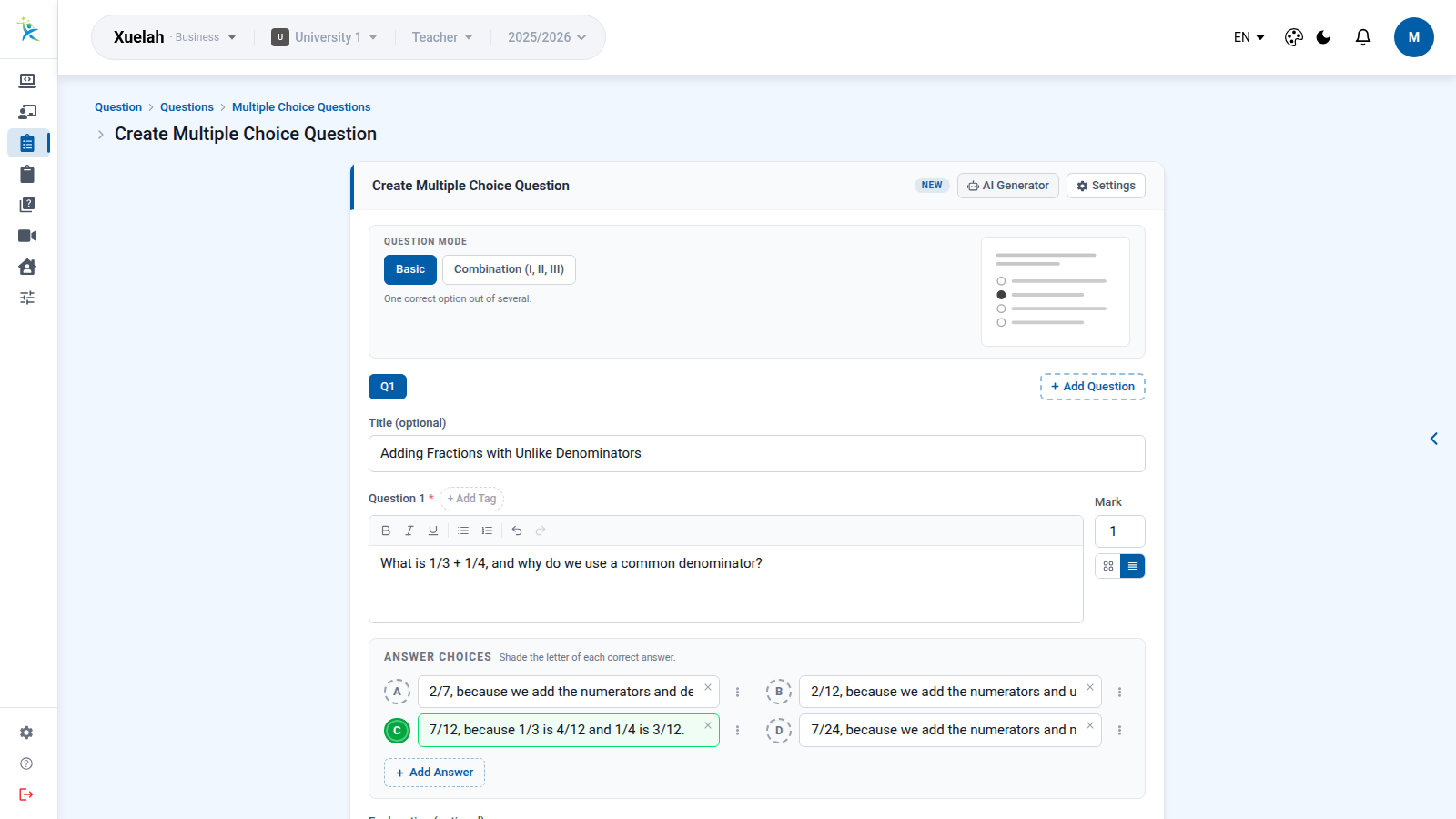
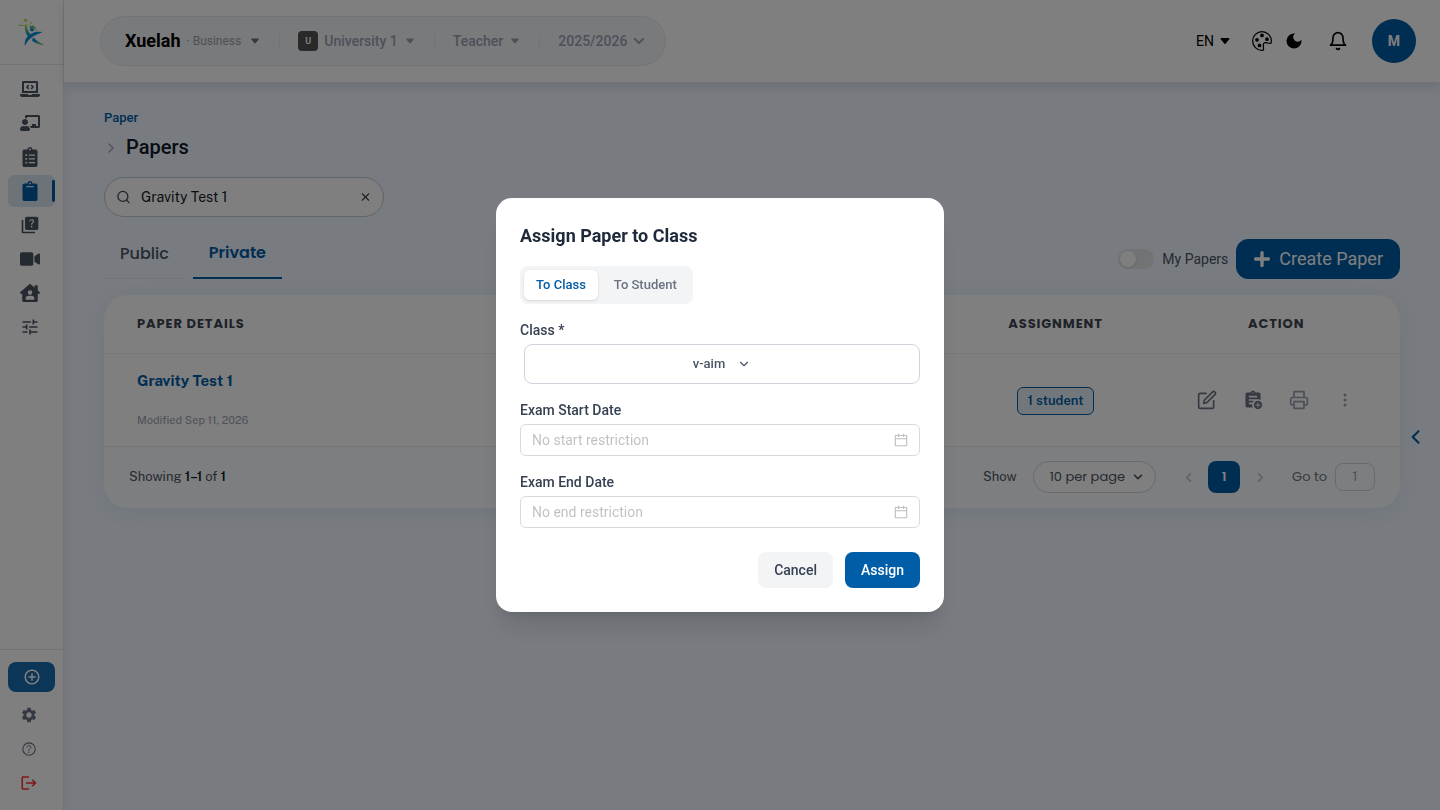
Writing three versions of a task by hand is where many busy weeks go wrong. One option is to draft the versions with AI and then edit them yourself.
Does differentiated instruction work? When it does not
Differentiation is popular, but it is not a guaranteed win, and it helps to know where it falls short.
In practice, treat differentiation as a set of small adjustments you test, not a promise. Keep groups short-lived, regroup after each check for understanding, and keep the same learning goal for everyone. If a change does not help your students, drop it.
What is in the full guide?
The PDF covers everything on this page in more depth, plus what only fits in a printable. It is a 24-page guide that includes:
- Worked tiered examples for math, literacy and science
- A choice board template and a tiered task grid
- A one-page lesson plan template and an exit-ticket set
- A flexible-grouping tracker and a 15-minute prep checklist
- A page on using Xuelah, with full references
Differentiated instruction FAQ
Is differentiated instruction the same as learning styles?
No. Differentiation responds to differences in readiness, interest and need. The idea that students learn best in a single style, such as visual or auditory, is not supported by research. Choose supports based on what a student has shown they know, not on a label.
How do I differentiate with a class of 40?
Start small: two tiers and one choice, not forty individual plans. Group students by the latest exit ticket rather than by a fixed label, reuse the same task shapes for a week, and regroup often. Running a short mini-lesson for one group at a time while the others work from their tiered task keeps the load manageable.
Where do I find templates?
The free toolkit PDF includes a choice board, a tiered task grid, a one-page lesson plan, an exit-ticket set, a flexible-grouping tracker and a 15-minute prep checklist. You can also rebuild any of them in a plain document or spreadsheet. Get the toolkit.
The full source list is in the PDF. Cited here: Tomlinson, C. A. (2014). The Differentiated Classroom, 2nd ed. ASCD. Sedanza, M. A. C. (2026). When the best studies show the least: a systematic review and typological synthesis of differentiated instruction for diverse English learners in inclusive education. International Journal of Special Education, 41(8s).